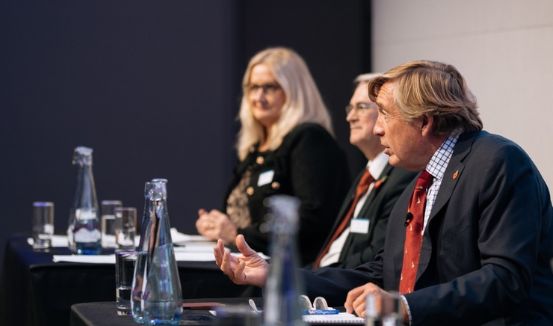
On Thursday 5 November, the NED Debate returned for its eleventh year, with NEDs and governance experts gathering at the Willis Building in London to tackle one of the biggest questions facing boards today: Will AI dramatically change corporate governance? This insight looks at the evening through a selection of photos, capturing key moments from a night of sharp argument and lively audience participation.
The motion
This year’s motion was: “This House believes AI will dramatically change corporate governance.”
AI has already reshaped how organisations operate, but will it fundamentally transform the structures, processes and responsibilities that define corporate governance? Or is the scale of that change being overstated? This proved to be one of the most lively and compelling debate's we've seen yet.
The Panel
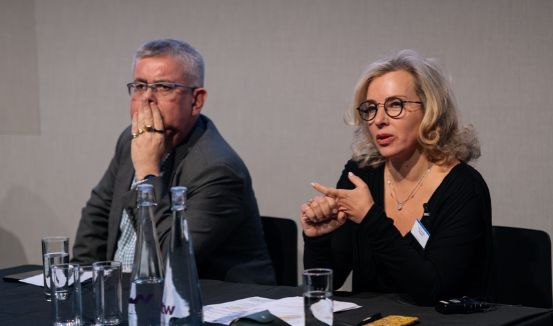
The debate was chaired by Graham Durgan, Chair of NEDA, who kept proceedings sharp and well paced while drawing in contributions from the Floor.
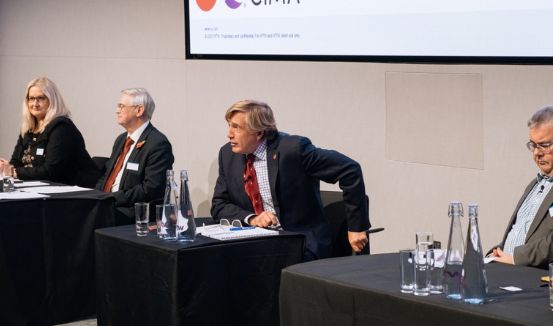
The motion was proposed by Sharron Gunn, Group CEO of BCS, The Chartered Institute for IT, who brought a perspective shaped by her work on AI, cyber resilience and digital inclusion. She was seconded by Malcolm McCaig, Non-Executive Director and Chair, with 20 years of board experience across listed companies, mutual societies and private equity-backed businesses
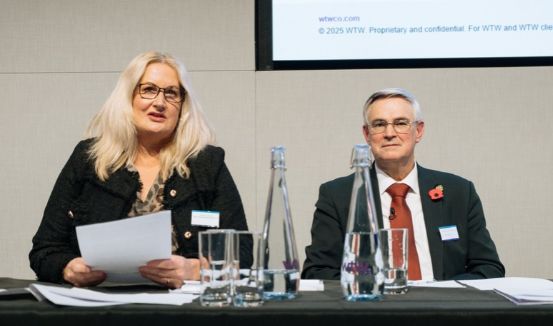
The opposition was led by Mark Babington, Executive Director for Regulatory Standards at the FRC, offering a regulator’s view of how AI intersects with governance. His partner was Alla Konnikov, Managing Director of Complyport, a governance specialist with over 20 years’ experience across financial services, legal practice and regulatory consultance.
The Floor
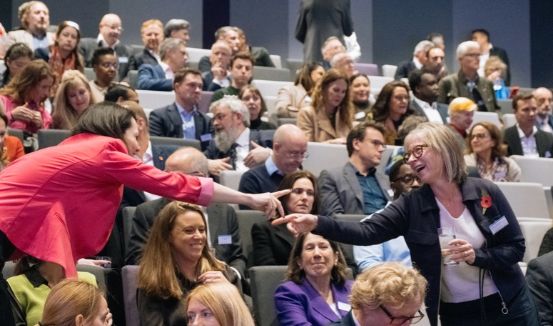
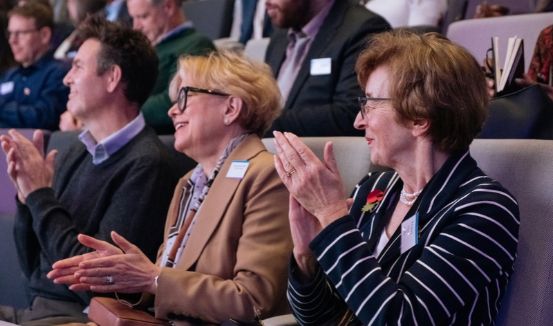
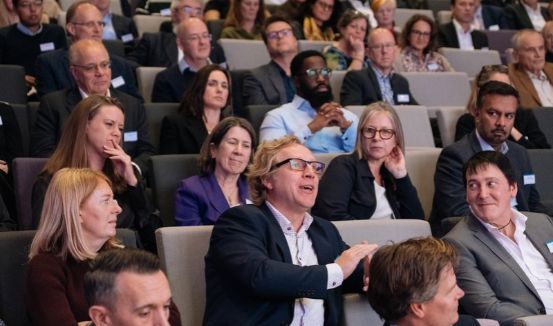
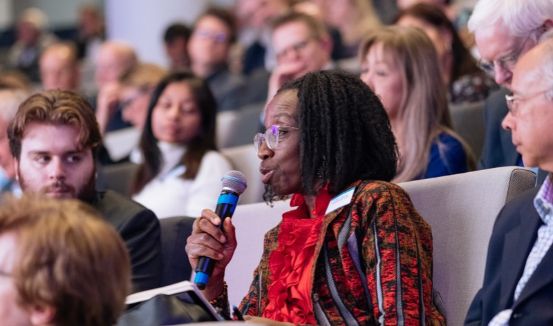
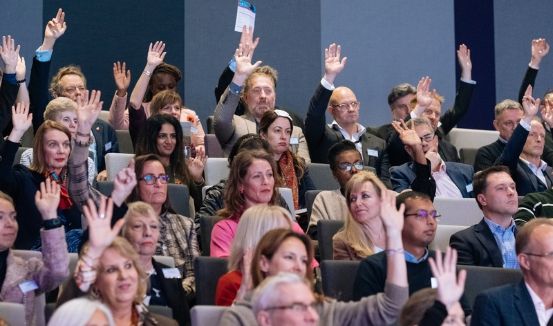
The audience, as ever, played a central role. Members of the Floor drew on their own experience as NEDs, chairs and advisers across a range of sectors, testing both sides with pointed contributions and real-world examples.
The vote
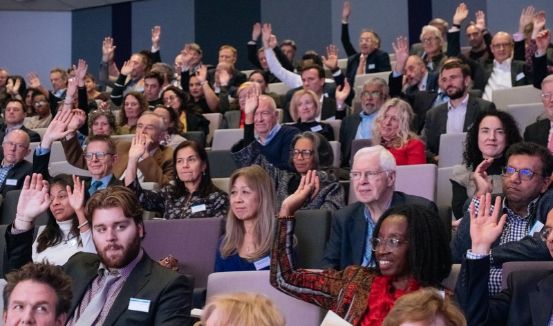
An indicative vote was taken at both the start and the end of the debate. At the opening vote, 62% of the Floor supported the motion, with 38% in opposition. By the closing vote, opinion had shifted significantly: just 48% still supported the motion, with shift to a 52% majority on the opposing side.
Despite an initially favourable view, the motion was ultimately defeated. The margin of the swing shows just how persuasive constructive debate can be, and serves as a testament to the compelling arguments from Mark Babington and Alla Konnikov, who were certainly persuasive orators.
Networking
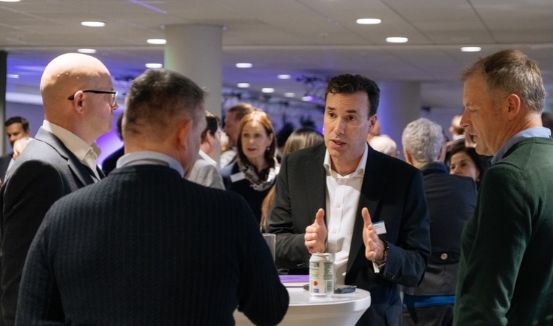
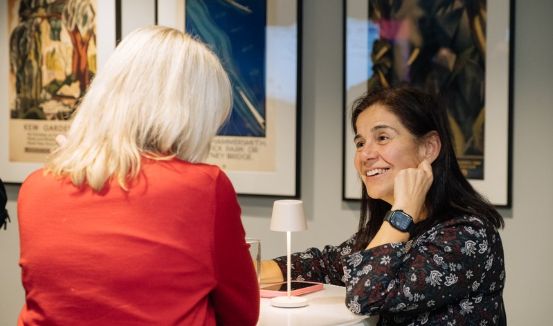
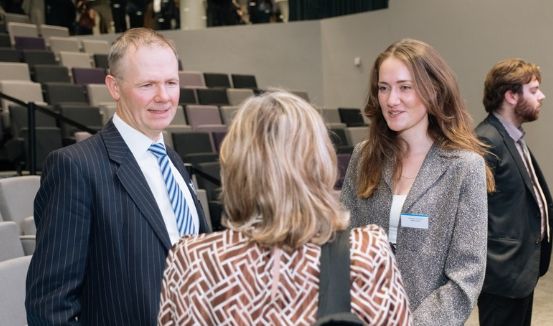
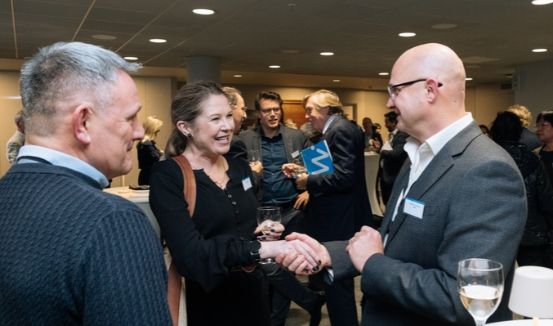
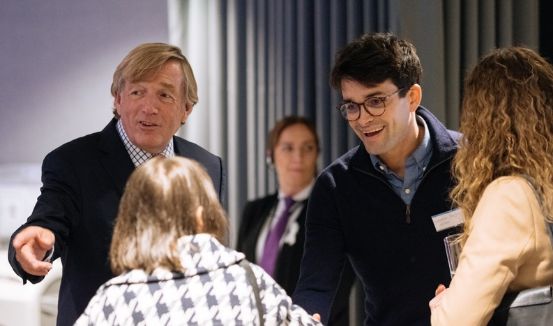
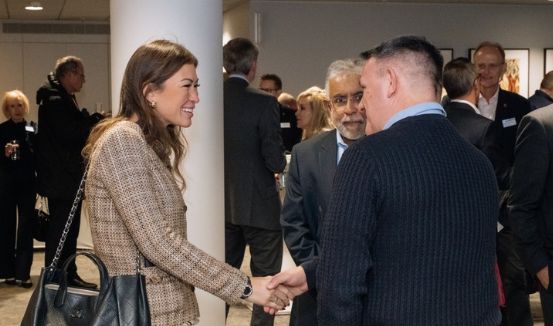
The drinks and canapés reception before and after the formal proceedings gave attendees the chance to continue the conversation. The energy of the debate carried through into lively exchanges between NEDs, advisers and sponsors.
Thank you
Thank you to our event hosts and sponsors for making this debate possible, including:
- WTW, for hosting us at the Willis Building, and Eve Richards for her opening remarks.

- This year's sponsors, Equiniti and CIMA, whose support and engagement helped make the evening such a success

- NEDA’s partners, Grant Thornton and CMS, who were instrumental in their contributions to the debate.

Our thanks also go out to our four debaters, for their preparation and persuasive arguments. And of course to all the NEDA members and guests whose contributions made the debate what it was.
Missed the debate? You can find more events from NEDA and partners at the link here, or join as a NEDA member for next year's debate here.